Bundle
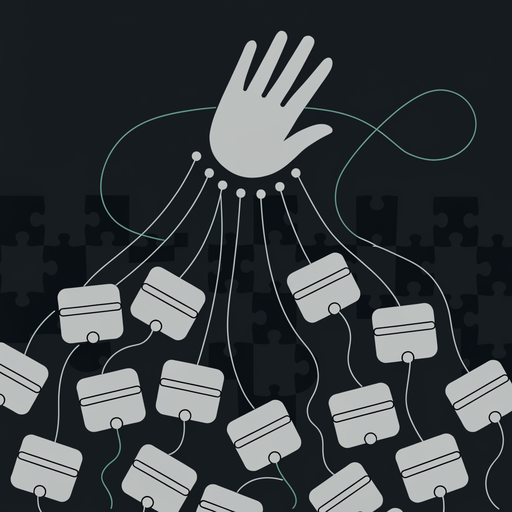 Image: original illustration, memecoin.wiki | |
| part of speech | noun and verb |
|---|---|
| scene | Solana trenches, pump.fun launches |
A coordinated purchase of a large share of a token's supply across multiple wallets at launch, usually executed in the same block as the token's creation.
In the Solana trenches, a bundle is a coordinated purchase of a large share of a new token's supply across many wallets at the moment of launch, typically executed atomically in the same block as the token's creation. A token launched this way is described as "bundled," and the hidden allocation is called bundled supply. The tools that perform the operation are known as bundlers.
Mechanics
Bundler software generates a set of fresh wallets, funds them through intermediary hops to obscure their common origin, and submits the token creation and the buys together, often as a Jito mev bundle so that all transactions land in block zero. Because everything confirms at once, no sniper can buy before the bundled wallets. Commercial bundlers advertise launching with twenty or more wallets in a single block and include features designed to evade detection tools, such as staggered timing and varied funding paths meant to defeat wallet clustering services like Bubblemaps.
Usage
Bundling has a dual reputation. Vendors market it defensively, as a way for a dev to stop snipers from capturing the cheap end of the bonding curve. Traders, however, treat a heavily bundled launch as a warning sign, since concentrated hidden supply lets insiders dump on later buyers, turning them into exit liquidity in a classic soft rug pull. "Bundled" therefore functions as an accusation on crypto Twitter, and checking bundle percentages through analytics tools is a standard part of a rug check. A token with modest, transparent bundling may still be tolerated if the insider wallets hold or sell slowly.
History
Bundling became prominent after pump.fun industrialized token launches in 2024, when the fight between snipers and creators over launch allocation made same block execution decisive. Detection dashboards and Telegram bots for measuring bundled supply followed, and by 2025 bundle percentage was a routine statistic quoted alongside holder counts.